The Biotech Industry Is Proving to Be a Driver of Innovation and Growth for Saxony
At this year’s life sciences industry roundtable in Saxony, representatives from biotechnology companies, research institutes, associations, government agencies, discussed current developments and trends
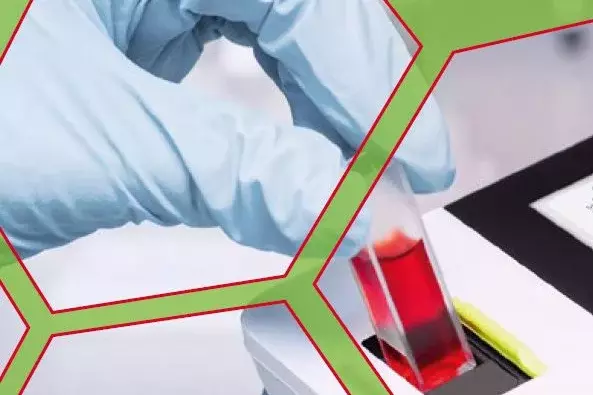
Saxony has become one of the fastest-growing biotech regions in Germany. With a robust and forward-looking ecosystem, the sector is now a key driver of innovation and a significant economic factor for the Federal State. Saxony's State Secretary for Economic Affairs Sebastian Scheel commented on the industry roundtable: “The biotechnology initiative will remain a central element of the Free State’s innovation strategy in the future. By expanding digital capabilities, supporting companies, and continuing to network with other technology sectors, Saxony will further build on its success in this area.”
Saxony as a Biotechnology Hub
Outstanding research institutes, innovative startups, and internationally active companies shape the landscape of the industry, which is particularly active in cell and gene therapy, diagnostics, and industrial applications of biotechnology. Saxony’s biotech research enjoys an excellent international reputation. Representative examples include the Center for Regenerative Therapies Dresden (CRTD), a cluster of excellence unique in Europe, and the Fraunhofer Institute for Cell Therapy and Immunology (IZI) in Leipzig. The region has garnered international attention through, among other things, the Kerry Group’s investment in the Leipzig-based company c-LEcta, the financing commitment from the U.S. for Avencell, and the collaboration between the Dresden-based startup Seamless Therapeutics and the U.S. pharmaceutical company Eli Lilly.
Saxony’s biotechnology sector is particularly active around the Bio-Innovation Center Dresden and BIO CITY Leipzig. In the future, further expansion at both locations will provide even more space for companies and startups. Additionally, the active integration of Chemnitz into the biosaxony network is creating an even broader foundation for Saxony as a life sciences hub.
Dr. Oliver Uecke, Chairman of the Board of the industry association biosaxony e. V.: “Biotechnology and life sciences are among Saxony’s greatest strengths today. This strength stems from the close interaction between research, development, clinical application, industry, and financing. Through biosaxony, we bring these stakeholders together and actively promote their networking. The fact that the German Biotechnology Days, Germany’s largest biotechnology industry gathering, will take place next week in Leipzig demonstrates the significance and dynamism the life sciences sector has now achieved in Saxony.”
Opportunities and Challenges for the Industry
During the discussion, it became clear what challenges the industry currently faces. These include better access to venture capital, the acceleration of approval processes, and the integration of artificial intelligence into research and production. At the same time, the growing markets for biotechnologies and the increasing global importance of health issues offer great opportunities for Saxon companies.
Thomas Horn, Managing Director of the Saxony Trade & Invest Corporation (WFS): “With the entire value chain located here, a high level of innovation, and the synergies from collaboration with other industries, biotechnology has the potential to develop even further into a key industry for Saxony in the future. Cross-industry collaboration plays a key role in this, and we provide targeted support for it. To this end, we bring together companies from the textile industry, mechanical engineering, the food sector, and microelectronics with biotechnology firms in various formats, such as the annual Life Sciences Forum and various project workshops. The goal is to explore new technical applications and thereby foster new business opportunities, collaborations, and growth, for example in automation and AI solutions for production in cell and gene therapy.”