A Pioneer in Automotive Logistics: BMW's Leipzig Plant Deploys Trucks with H2 Internal Combustion Engines
At the BMW plant in Leipzig, testing has begun on an 18-metric-ton truck equipped with a hydrogen-powered internal combustion engine for use in real-world plant traffic. In this process, hydrogen is burned in a diesel-based piston engine to produce water vapor with virtually zero CO2 emissions.
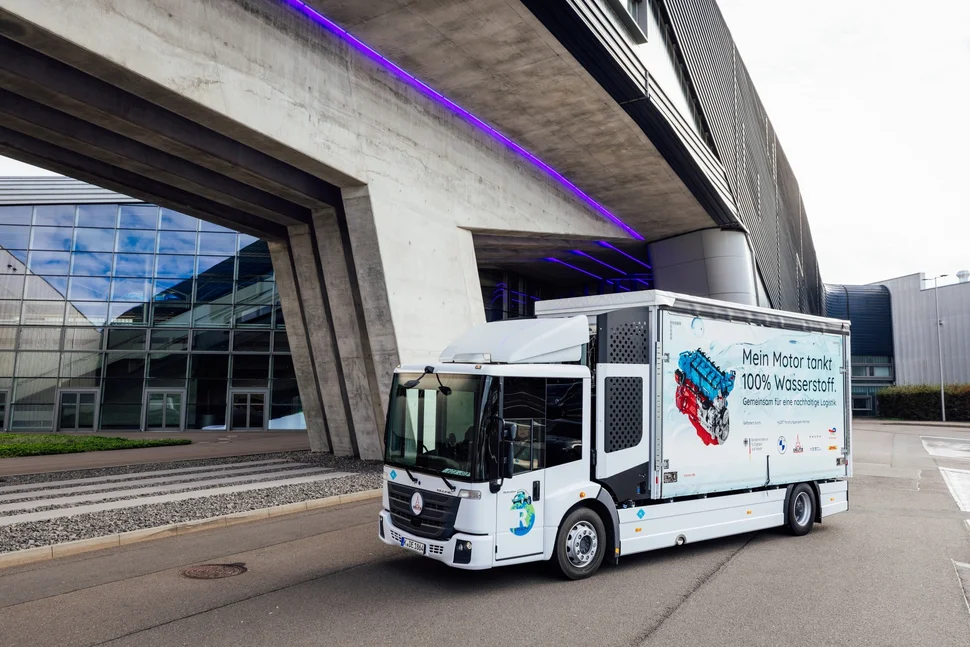
As part of the project, an H2-powered truck now supplies the Exterior Components (TEK) division at the Leipzig plant with parts for the production of plastic components, such as bumpers and spoilers. In a second phase, the hydrogen-powered truck will also supply the vehicle assembly line with exterior parts from TEK on a just-in-time basis. In doing so, the BMW Group is testing another technology to reduce CO₂ emissions from its global transportation operations.
“Logistics is the backbone of our production. That’s why we’re taking a technology-neutral and data-driven approach to identify suitable alternative truck powertrains for each specific application. For the first time in German automotive production, we are using a truck with a hydrogen combustion engine in regular operation. With this project, we are gaining valuable practical experience in real-world logistics operations and making an important contribution to the further development of the technology,” explains Dirk Wiedmann, Head of Production Network and Logistics at the BMW Group.
- Hydrogen Combustion Engines Put to the Test
Testing is taking place both on longer transport routes and during three-shift operations in the plant’s immediate vicinity. The insights gained from the project will help identify suitable application profiles for the hydrogen combustion engine in logistics.
- Battery-electric trucks and hydrogen trucks complement each other
Hydrogen trucks are particularly well-suited for demanding transport profiles, especially those involving high daily mileage, multi-shift operations, or special infrastructure requirements. Short refueling times reduce downtime. At the same time, a hydrogen truck can be deployed in regions where there is insufficient charging infrastructure or no high-capacity grid connection available. This is particularly relevant for long-distance routes and heavily utilized vehicles. However, a suitable and reliably available hydrogen refueling station infrastructure is required.
- Hydrogen Engine Builds on Proven Diesel Technology
The hydrogen combustion engine is based on diesel technology and can therefore be easily integrated into existing vehicle and maintenance structures. This facilitates the ramp-up of H2 combustion engine technology. Likewise, under heavy loads and dynamic driving profiles, the hydrogen combustion engine offers performance and robustness comparable to that of a diesel engine. Compared to hydrogen fuel cells in particular, the hydrogen engine is significantly less sensitive to variations in hydrogen quality and can thus guarantee higher availability.
- Funded by the Federal Ministry of Transport
Testing of the truck with a hydrogen combustion engine at the BMW Group plant in Leipzig is part of the HyCET research and development project—short for “Hydrogen Combustion Engine Trucks.” Funded by the Federal Ministry of Transport, the project develops and tests trucks with hydrogen combustion engines under real-world operating conditions. Under the leadership of the BMW Group, the project partners are pooling their expertise in vehicle development, the establishment of the necessary hydrogen infrastructure, and practical logistics operations. The goal is to gather reliable data for technical, operational, environmental, and economic evaluation and to identify suitable applications for hydrogen trucks.